
Engine Failure Forces United Airlines Flight UA108 to Return Midair in Scare Echoing Past Crashes
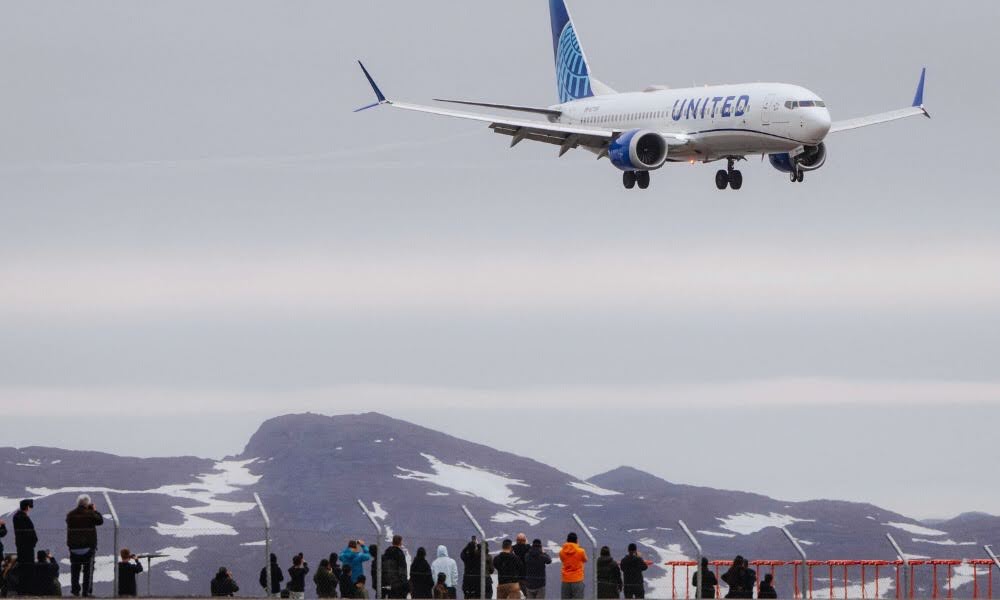
A Munich-bound United Airlines flight, UA108, returned to Washington Dulles Airport on July 25 after suffering an engine failure soon after takeoff.
The Boeing 787-8 Dreamliner experienced a left engine malfunction at an altitude of 5,000 feet, prompting the pilots to declare a MAYDAY emergency.
The crew worked closely with air traffic controllers to manage the situation and ensure a safe return to the airport.
Emergency Declared Mid-Air
As the aircraft began its ascent, the left engine failed, leading the pilots to initiate an emergency response. The aircraft, headed for Munich Airport, circled northwest of Washington in a holding pattern to dump fuel safely before landing.
Pilots requested to stay at 6,000 feet to control the plane’s weight, and air traffic controllers provided necessary instructions to maintain separation from other flights during the emergency.
The pilots remained in constant communication with ATC, who inquired, “How much time do you expect to hold, fuel, or just get set up there?” The pilot responded that they would “climb six and adjust fuel.”
This coordination helped manage the aircraft’s safe return to Dulles.
Fuel Dumping and Landing Preparations
The pilot informed ATC that the plane was dumping fuel at 6,000 feet while flying northwest. ATC directed the aircraft to a heading of 020 degrees and asked the pilot to confirm when the process was complete.
The pilots then requested permission for an Instrument Landing System (ILS) approach on Runway 19 Center.
As the fuel dump concluded, the plane was cleared to turn right. ATC asked about the preferred turn direction, and the pilot confirmed that right turns were easier.
Controllers ensured the aircraft avoided nearby bad weather and kept it on course. When ATC requested “clean speed,” the pilot responded that a slower pace was safer.
Final Descent and Safe Landing
The flight was then handed over to another controller, who confirmed the aircraft wanted to maintain altitude briefly before preparing for descent.
The pilot agreed and informed they would soon begin slowing down and start the descent. ATC cleared the plane to descend to 5,000 feet and approved the ILS approach on Runway 19 Center.
Once cleared for landing, the crew was transferred to the airport tower frequency. The plane safely landed but was unable to move on its own due to the engine failure and had to be towed off the runway. No injuries were reported among the passengers or crew.
According to the report, the aircraft remains grounded at Washington Dulles Airport.
Similarity to Previous Dreamliner Incident
This incident closely mirrors the recent Air India crash in Ahmedabad involving a Boeing 787-8 Dreamliner.
That aircraft, also suffering a serious engine malfunction soon after takeoff, crashed while en route to London’s Gatwick Airport, killing around 260 people. It was the first fatal accident involving the Dreamliner model.
United Airlines flight UA108 experienced a similar issue when its left engine failed at around 5,000 feet. Pilots declared a “Mayday” alert, informed air traffic control, and followed emergency protocols to land safely.
FlightAware data indicated that the aircraft stayed airborne for 2 hours and 38 minutes after the distress call, circling to dump fuel before returning to Washington Dulles Airport.
Other Recent Aviation Scares
This event came shortly after another aviation emergency involving an American Airlines flight at Denver International Airport.
Passengers aboard AA Flight 3023, a Boeing 737 MAX 8, were evacuated using emergency slides after smoke was detected in the cabin. The FAA described it as a “possible landing gear incident,” which American Airlines later attributed to a tyre issue.
The pilots of the United Airlines flight also coordinated with ATC operators to dump fuel and maintain safe separation from other flights during the emergency.
Flight UA108’s safe landing highlights the importance of efficient coordination between pilots and air traffic control in emergency situations.
Though the aircraft remains grounded, the absence of injuries and the successful handling of the engine failure are significant.
This incident adds to the recent list of aviation scares involving Boeing aircraft, prompting renewed attention to mid-air safety measures.