IOC and BPCL Resume Russian Oil Imports as Discounts Deepen

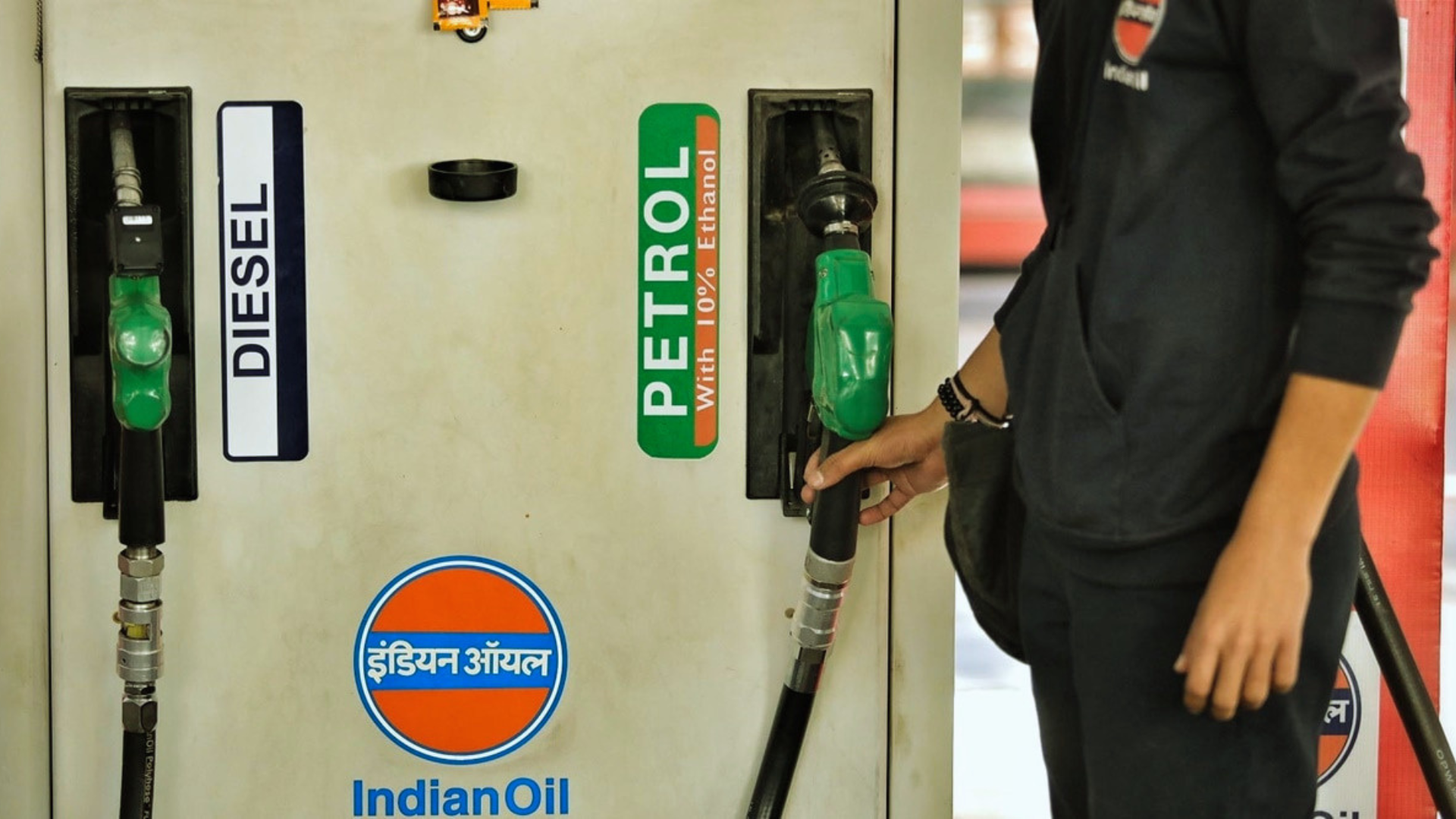
India’s state-run refiners, Indian Oil Corporation (IOC) and Bharat Petroleum Corporation Ltd (BPCL), have resumed purchases of Russian oil for September and October deliveries after a temporary pause.
Two company officials confirmed the decision on Wednesday, noting that wider discounts have made the crude more attractive for Indian buyers.
This return to the Russian oil market could affect global supply dynamics, particularly reducing availability for China, which had increased its intake during India’s absence.
Pause in Purchases Amid Criticism
Both IOC and BPCL halted Russian crude imports in July. At that time, discounts had narrowed, making other global oil grades more appealing.
The decision also came against the backdrop of sharp criticism from Washington over India’s continued reliance on Russian barrels.
Adding to the tension, US President Donald Trump warned that his administration could impose an additional 25% levy on Indian goods starting August 27 if New Delhi continued sourcing crude from Moscow.
The warning was seen as a move to penalise India for maintaining energy ties with Russia despite pressure from the United States.
Wider Discounts Revive Interest
Officials noted that discounts for Russia’s flagship Urals crude have since widened to about $3 per barrel, reigniting demand from Indian refiners. This shift has made Russian oil more competitive in comparison to alternative grades.
IOC, in addition to securing Urals, has also bought other Russian crude grades including Varandey and Siberian Light. Such diversification underscores India’s strategy to optimise imports based on price competitiveness.
Although Indian companies typically refrain from commenting on their crude import strategies, IOC confirmed during an analyst briefing earlier this week that it would continue sourcing Russian oil depending on market economics.
Competition with China
India’s resumption of Russian oil purchases could directly affect China, the world’s largest buyer of Russian crude.
With India out of the market in July, Chinese refiners stepped up their imports, securing supplies that would otherwise have been available to New Delhi.
In recent weeks, Chinese buyers have locked in at least 15 cargoes of Russian crude for delivery in October and November, according to analysts and one trader.
The renewed participation of Indian refiners in the Russian market could intensify competition between Asia’s two energy giants, both seeking to capitalise on discounted barrels.
Economic Calculations Drive Decisions
The decision by IOC and BPCL reflects the cost-sensitive nature of Indian refining operations. For a country heavily dependent on energy imports, price considerations remain a priority. The wider discount on Russian crude has tipped the balance back in favour of Moscow’s supplies.
“IOC will continue to buy Russian oil depending on economics,” the company stated, emphasising its pragmatic approach. Officials indicated that future purchases would continue to be evaluated on the basis of global pricing trends.
Geopolitical Risks
While discounted barrels from Russia help Indian refiners manage costs, they also carry the risk of exacerbating geopolitical tensions with the United States.
Washington has repeatedly urged India to scale back on Russian oil imports as part of a broader strategy to cut Moscow’s oil revenues.
President Trump’s threat of higher tariffs on Indian goods highlights the potential trade consequences of these energy decisions.
Despite the risks, India has consistently maintained that its oil purchase strategy will be guided by the country’s needs and will not be dictated by external pressure.
The resumption of Russian crude imports by India’s state-run refiners underscores a balancing act between economic needs and geopolitical challenges.
As discounts widen, Indian refiners are seizing the opportunity to secure cost-effective supplies, even as they face criticism and potential penalties from the United States.
With both India and China vying for discounted Russian barrels, competition in the Asian oil market is expected to intensify in the coming months.
For New Delhi, the priority remains securing affordable energy to meet the demands of a growing economy, regardless of external pressures.