Trump Urges Intel CEO Lip-Bu Tan to Step Down Over Alleged China Links
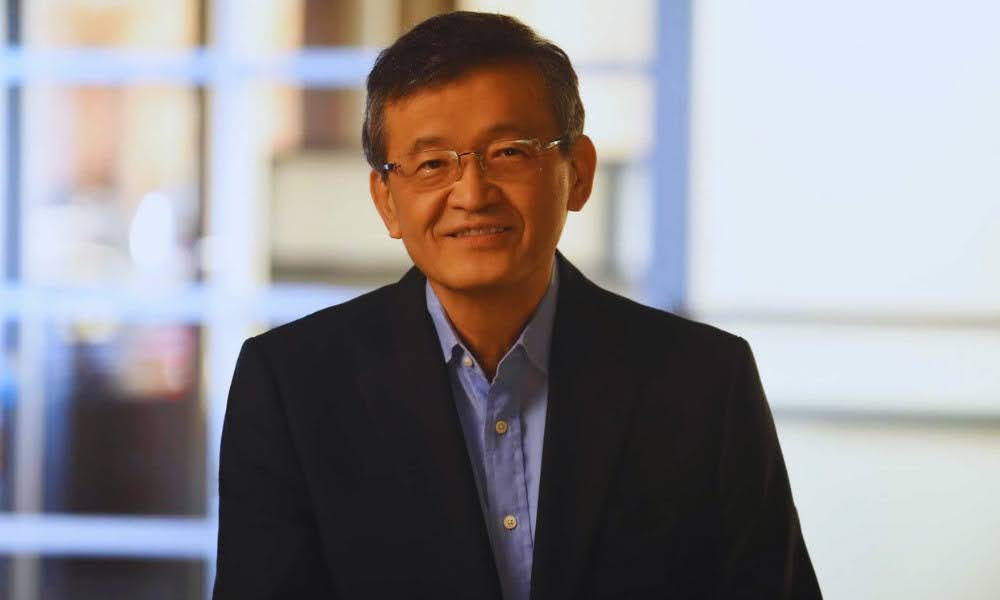
Intel’s shares dropped more than 3% on Thursday after former President Donald Trump publicly called for the resignation of Intel CEO Lip-Bu Tan.
In a post on Truth Social, Trump wrote, “The CEO of INTEL is highly CONFLICTED and must resign, immediately. There is no other solution to this problem.”
Intel Responds to Criticism
Later that day, Intel issued a statement defending its leadership, affirming that the company, its board, and CEO Tan were “deeply committed to advancing U.S. national and economic security interests.”
The company emphasized its investments in domestic semiconductor research and manufacturing, highlighting a new facility in Arizona.
Tan, who took over as CEO in March, replaced Pat Gelsinger during a time of stagnation for Intel. He has overseen cost-cutting initiatives, including major workforce reductions and scaling back global factory construction.
National Security Concerns Raised
Trump’s remarks echoed concerns raised by Senator Tom Cotton earlier in the week. Cotton sent a letter to Intel’s board questioning Tan’s connections to Chinese companies and citing a previous legal case involving Cadence Design Systems, where Tan was CEO until 2021.
Cadence recently pleaded guilty to U.S. export violations and agreed to a $140 million settlement. While Tan was not indicted, his former role prompted scrutiny.
Cotton’s letter questioned whether Intel had required Tan to divest from Chinese companies linked to the Chinese Communist Party or the People’s Liberation Army.
According to Reuters, Tan invested over $200 million in Chinese tech and manufacturing companies—some with military ties—either personally or through venture funds.
A Rare Presidential Intervention
Trump’s call for Tan’s resignation was a rare instance of a U.S. president publicly demanding the removal of a private company’s executive. Some analysts argued that such statements could set a problematic precedent.
“It would be setting a very unfortunate precedent. You don’t want American presidents dictating who runs companies, but certainly his opinion has merit and weight,” said Phil Blancato, CEO of Ladenburg Thalmann Asset Management.
Despite the controversy, Intel maintained its alignment with the administration’s agenda. “We look forward to our continued engagement with the Administration,” the company stated.
Tan’s History and Intel’s Struggles
Born in Malaysia and raised in Singapore, Tan is a U.S. citizen with a long history in the semiconductor industry. He previously led Cadence Design and founded venture firm Walden International, which has co-invested with Chinese government entities.
According to corporate records reviewed by Reuters, Tan’s firm holds stakes in at least 20 Chinese companies tied to government or military interests.
A source told Reuters Tan had since divested from those positions, though details were unclear.
Intel has received $8 billion under the 2022 CHIPS Act to support its U.S. expansion efforts. However, delays and cutbacks in factory construction—especially in Ohio—have drawn criticism.
Republican Senator Bernie Moreno suggested Ohio should consider a fraud investigation into Intel’s commitments.
Industry Experts Weigh In
Analysts believe Tan’s lack of personal rapport with Trump may have worsened the situation.
“Unlike other tech CEOs, Lip-Bu does not appear to have cultivated the kind of personal relationship with Trump that would help to assuage his ire,” noted Bernstein analyst Stacy Rasgon.
Patrick Moorhead of Moor Insights & Strategy speculated that Trump may be using the controversy to apply pressure on Intel over broader issues, such as a potential partnership with TSMC.
Intel’s Position in a Shifting Market
Once a leader in the chip industry, Intel has fallen behind competitors like TSMC and Nvidia. The company’s share price has been mostly flat in 2025, after a 60% drop last year. Its market value now sits below $100 billion, far behind Nvidia’s $4 trillion valuation.
Intel’s declining profit margins and market share losses in AI, data centers, and personal computing further reflect its struggles.
Tan’s strategy focuses on reversing course from his predecessor’s vision, including slowing major investments and halting international fab projects.
Call for Leadership Stability
While Trump’s criticism has intensified scrutiny, many experts stress the importance of stable leadership at Intel.
Janet Egan, senior fellow at the Center for a New American Security, remarked, “It’s important that we get continuity of leadership to support that ramping up of capacity.”