
Hantavirus 2026 | Outbreak News, Symptoms, and Essential Prevention Guide
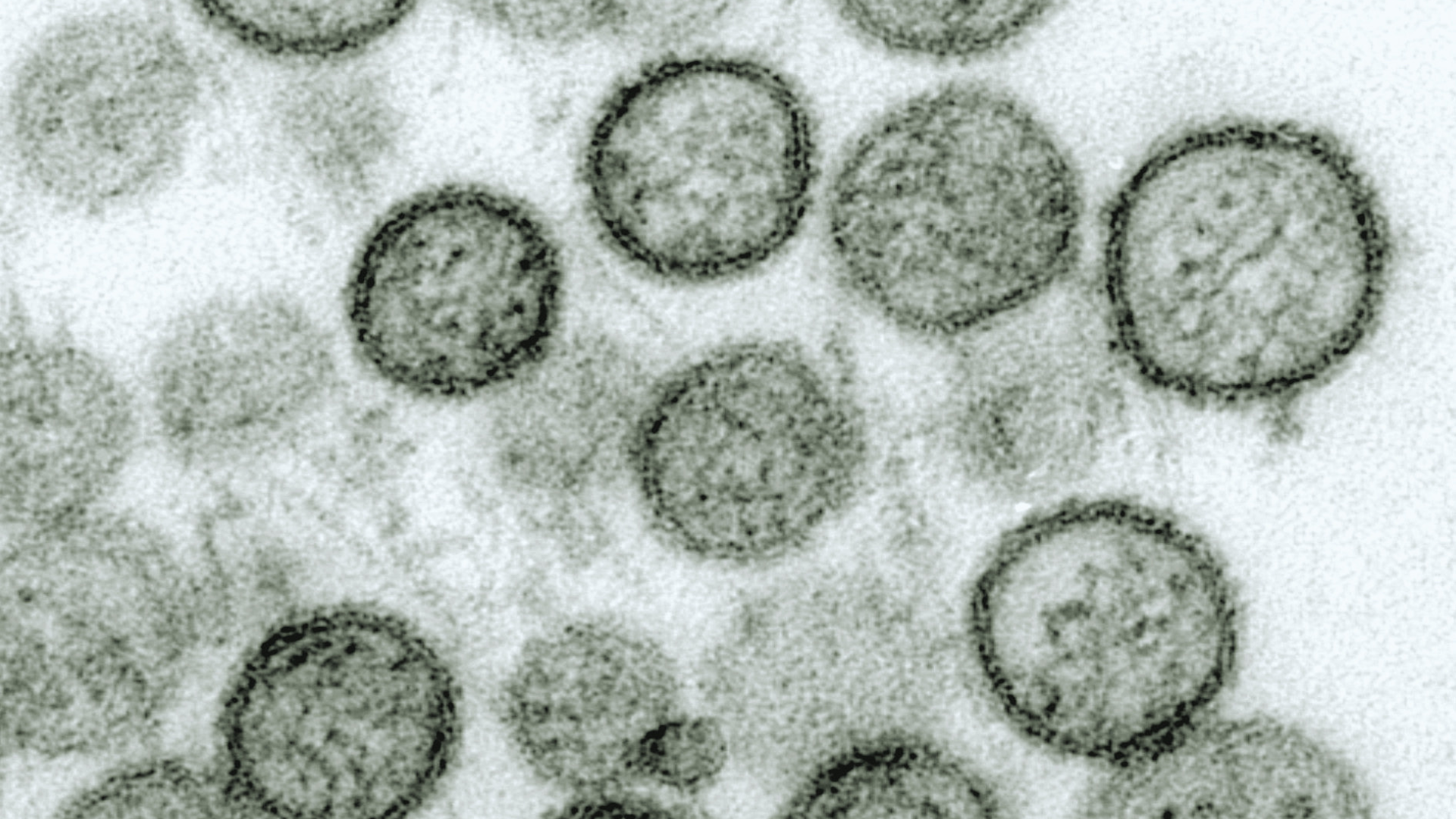
Hantavirus is a severe respiratory disease primarily spread by rodents, but recent global events have placed it back in the spotlight. As of May 5, 2026, health authorities are investigating a deadly cluster of cases linked to an expedition cruise ship, raising concerns about rare viral strains. Whether you are a traveler or a homeowner, understanding how this virus operates is essential for safety.
The 2026 Hantavirus Outbreak (MV Hondius)
The World Health Organization (WHO) is currently monitoring an active Hantavirus outbreak aboard the MV Hondius, which departed from Argentina in April.
- The Situation: Seven total cases (two confirmed, five suspected) have been reported among passengers and crew.
- Fatality Report: Three deaths have been confirmed as of May 4, 2026.
- Person-to-Person Risk: Experts are investigating if the Andes virus strain—the only Hantavirus capable of human-to-human transmission—is responsible for this specific cluster.
- Quarantine Status: The vessel is currently being held off the coast of Cabo Verde for medical evaluation and specimen collection.
How Hantavirus Spreads: Rodents vs. Human Contact
In most cases, Hantavirus is not contagious between people. It is a zoonotic disease, meaning it jumps from animals to humans.
The Role of Rodents
Humans typically become infected through:
- Aerosolization: Breathing in microscopic particles of dried rodent urine, droppings, or nesting materials.
- Direct Contact: Touching contaminated surfaces and then touching the eyes, nose, or mouth.
- Rodent Bites: Direct transmission through saliva into the bloodstream.
The Rare ‘Andes’ Strain
Unlike North American strains, the Andes virus found in South America can occasionally spread through prolonged close contact between humans, which is the primary concern for the 2026 cruise ship outbreak.
Recognizing Hantavirus Symptoms and Early Warning Signs
Hantavirus Pulmonary Syndrome (HPS) is difficult to diagnose because early symptoms strongly resemble the common flu.
Stage 1: Early Symptoms (Days 1–5)
- Fatigue and fever.
- Muscle aches (thighs, hips, back, and shoulders).
- Headaches, chills, and dizziness.
- Abdominal pain, vomiting, or diarrhea.
Stage 2: Critical Respiratory Phase
After 4 to 10 days, the lungs fill with fluid, leading to:
- Severe shortness of breath.
- Coughing and chest tightness.
- Rapid heartbeat and low blood pressure.
Hantavirus Prevention: How to Stay Safe
The most effective way to prevent Hantavirus is to eliminate rodent exposure in your environment.
Seal and Clean Homes
- Seal Gaps: Block any holes in your home larger than a quarter-inch to prevent rodent entry.
- Trap Rodents: Use snap traps; avoid glue boards or live traps as they increase viral shedding.
Safe Cleaning Protocol
Never sweep or vacuum rodent-infested areas, as this makes the virus airborne.
- Wear gloves and a mask.
- Soak the area with a bleach-water solution for at least 5 minutes.
- Wipe up with paper towels and dispose of them in a sealed trash bag.
Around the Globe: International Breaking News