BJP’s Nainar Nagenthran Criticises Quality of Food Under Tamil Nadu’s Breakfast Scheme

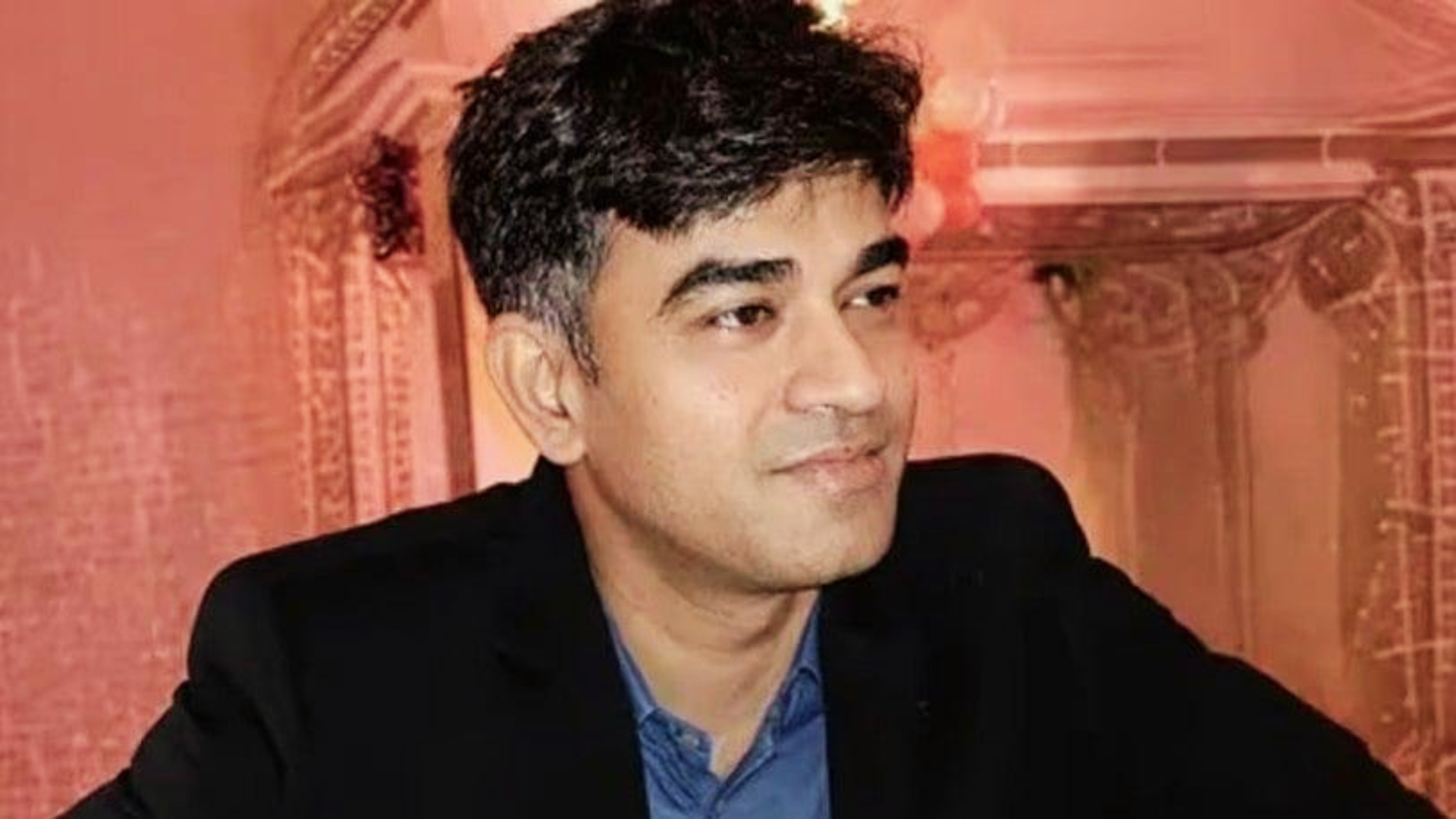
BJP State president Nainar Nagenthran on Tuesday (August 26, 2025) criticised the Tamil Nadu government’s handling of the Chief Minister’s Breakfast Scheme, stating that expanding the initiative without improving the quality of food would not yield positive results.
Concerns Over Food Standards
In his statement, Mr. Nagenthran said providing breakfast to schoolchildren was a provision under the National Education Policy, which the State government had adopted.
He pointed to recent incidents of food contamination in government schools at Dharapuram in Tiruppur district and Poonaairuppu in Tiruvarur district as examples of the scheme’s shortcomings.
He alleged that such discrepancies in the implementation “could run as long as the Great Wall of China.”
According to him, the food served under the programme should be nutritious, but meals cooked at distant locations often became stale by the time they reached schools.
Questioning the Government’s Intentions
Mr. Nagenthran raised questions about the State’s approach. “Does the State government believe that anything can be served as food since it is only poor children studying in government schools? Or does it think the flaws in the breakfast scheme can be hidden through false propaganda?” he asked.
His remarks came shortly after Chief Ministers M.K. Stalin of Tamil Nadu and Bhagwant Singh Mann of Punjab jointly served breakfast to children in Chennai to mark the fifth phase expansion of the scheme.
Expansion of the Breakfast Scheme
The Chief Minister’s Breakfast Scheme was first announced by M.K. Stalin in May 2022 and launched in September that year. Since then, it has undergone multiple phases of expansion.
In July 2024, a major extension brought the programme to over 2.2 lakh aided school students in urban areas of Tamil Nadu.
The latest phase of the initiative now supports nearly 305,000 children enrolled in grades one through five in government and aided urban schools.
The scheme aims to deliver warm, nutritious meals to schoolchildren before classes begin, in hopes of improving attendance and enhancing educational performance.
Financial Commitment and National Impact
The Tamil Nadu government has allocated Rs 600 crore annually to sustain the initiative.
At the expansion launch, Punjab Chief Minister Bhagwant Singh Mann described the scheme as a “big relief” for working families. He also stated that Punjab would explore similar programmes and discuss them with his Cabinet colleagues.
Tamil Nadu Government’s Response
Despite complaints about food contamination, the State government has pledged to ensure the quality, hygiene, and nutritional standards of meals provided under the scheme.
Officials emphasised that maintaining hygiene would remain a priority as the programme grows.
Broader Influence and Future Prospects
The success of the initiative has drawn attention beyond Tamil Nadu. Other states have expressed interest in replicating the model, and it has even inspired discussions about international adoption.
Beyond its educational goals, the scheme has also become a tool of cultural and political connection, with Tamil Nadu’s collaboration with Punjab marking an important gesture of inter-state cooperation.
Balancing Expansion and Quality
While the State government highlights the scheme as a flagship welfare initiative, opposition voices such as Nainar Nagenthran argue that ensuring nutritious and hygienic food should be prioritised before expanding further.
The ongoing debate underscores the importance of balancing scale with quality in welfare programmes aimed at school children.