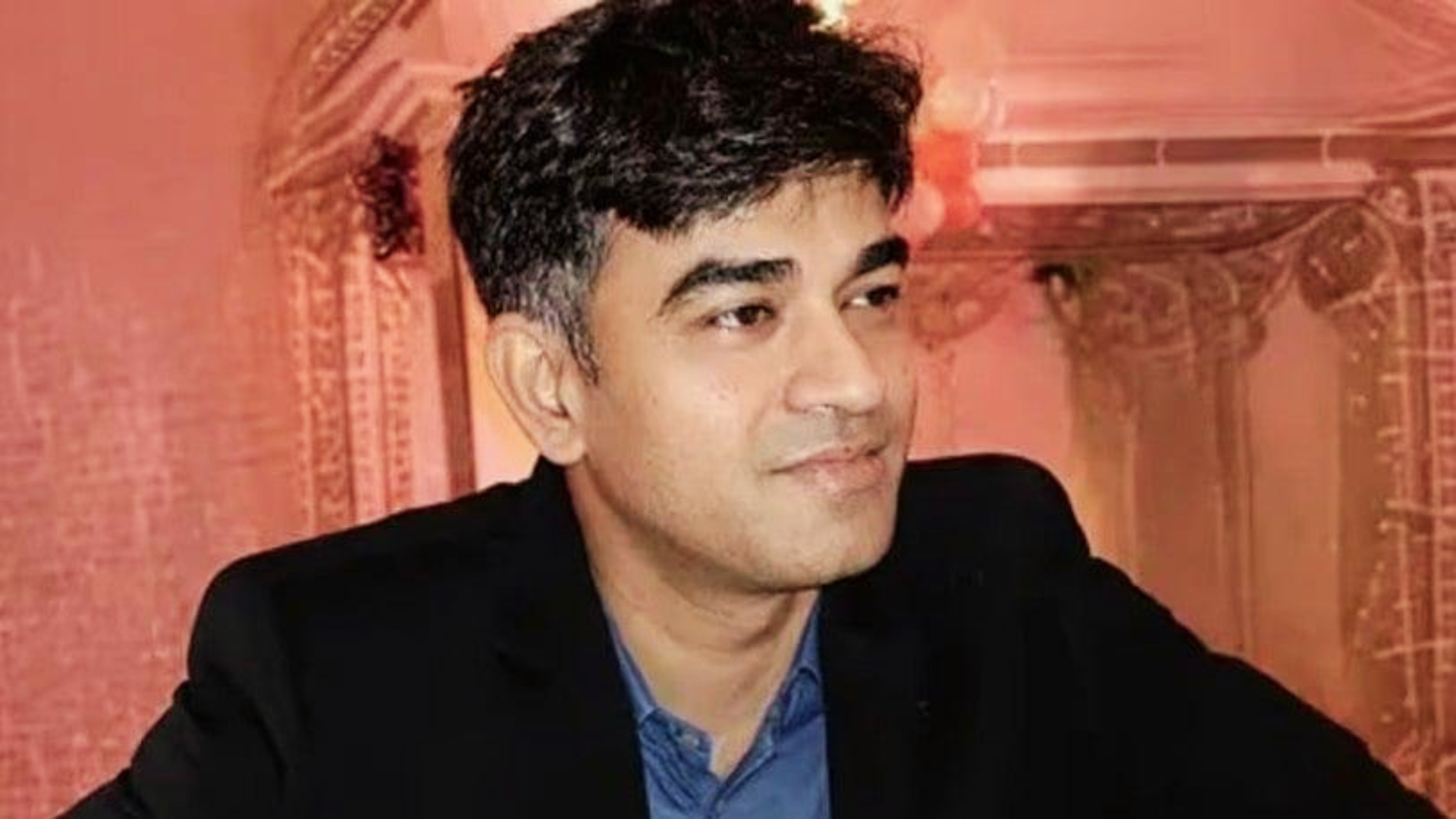
Allahabad High Court Dismisses Plea Against UP Deputy CM Keshav Prasad Maurya Over Alleged Fake Degrees
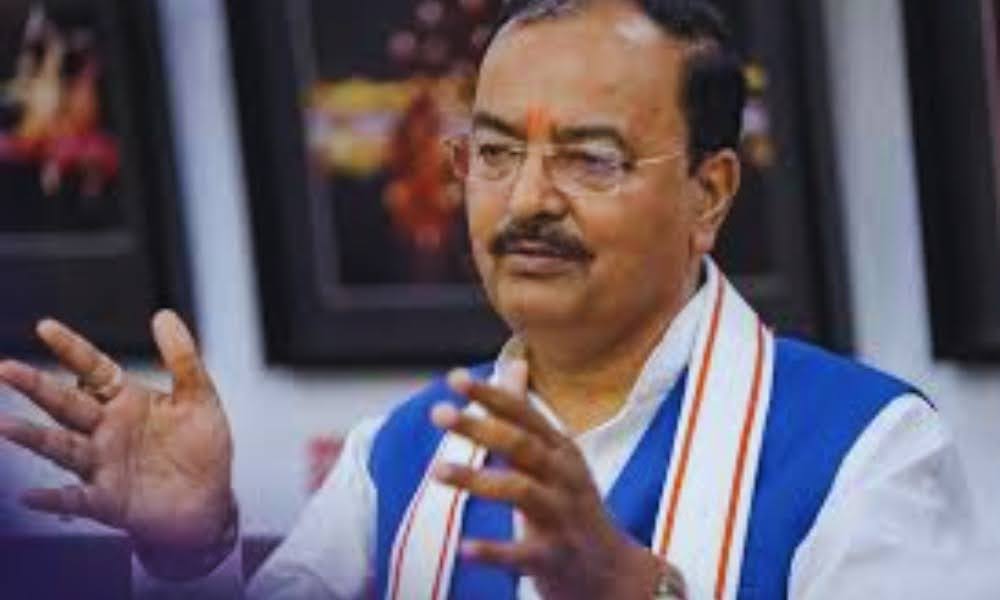
On July 7, 2025, the Allahabad High Court rejected a plea to initiate criminal proceedings against Uttar Pradesh Deputy Chief Minister Keshav Prasad Maurya.
The petition, filed by Prayagraj-based social activist Diwakar Nath Tripathi, alleged that Maurya used a fake educational degree when filing his election nomination and secured a petrol pump dealership under false credentials.
Initial Magistrate’s Rejection in 2021
Tripathi first sought action under Section 156(3) of the Criminal Procedure Code (CrPC), requesting that a police investigation be ordered.
In September 2021, Additional Chief Judicial Magistrate Namrata Singh dismissed the application, finding “no cognizable offence made out against Maurya.”
Undeterred, Tripathi moved the High Court, challenging the magistrate’s order.
High Court’s February 2024 Dismissal Over Delay
In February 2024, a Division Bench of the Allahabad High Court dismissed Tripathi’s revision petition on procedural grounds. The court noted an “inordinate delay of over 300 days” between the magistrate’s dismissal and the filing of the revision, rendering it time-barred.
Supreme Court Condonation of Delay
In January 2025, the Supreme Court intervened, condoning the delay. It directed the Allahabad High Court to consider Tripathi’s allegations on their merits rather than on technicalities.
The apex court held that “the delay should not come in the way of justice,” and allowed the matter to be heard afresh.
Fresh Petition and High Court Admission
Following the Supreme Court’s order, Tripathi filed a fresh revision petition in April 2025, reiterating the same allegations of cheating and forgery.
Justice Sanjay Kumar Singh admitted the petition and reserved judgment after hearing counsel for both parties on May 23, 2025.
Legal Basis for Dismissal on July 7
In his verdict on July 7, Justice Singh reiterated that Tripathi lacked the necessary locus standi under Section 39 of the CrPC, which restricts who may report certain offences.
The court observed, “The complainant-revisionist is not a person deceived by Keshav Prasad Maurya. Therefore, in view of Section 39 CrPC, he had no locus to move an application under Section 156(3) CrPC seeking direction to register FIR regarding alleged offence of cheating and forgery.”
The judgment also emphasized the need to prevent abuse of the criminal justice system: “The wheels of the criminal justice system cannot be permitted to be clogged by frivolous complaints where the complainant himself is not aggrieved or victim in any manner.”
Justice Singh further held that the proceedings appeared “prima facie initiated maliciously by the revisionist with oblique motives with an intention to gain some advantage or to settle his score.”
Court’s Reasoning and Impact
By dismissing Tripathi’s petition, the High Court upheld the magistrate’s original finding that no cognizable offence was made out. The court’s reasoning underscores two key principles:
Locus Standi Under Section 39 CrPC: Only a person directly affected by an alleged offence may initiate action under Section 156(3).
Prevention of Frivolous Litigation: Courts must guard against complaints filed with malicious intent or to harass public figures.
Maurya’s Political Profile and Unanswered Allegations
Keshav Prasad Maurya, a senior Bharatiya Janata Party leader, has served as Uttar Pradesh’s Deputy Chief Minister since 2022.
While the High Court’s dismissal resolves this legal challenge, the political controversy over Maurya’s academic credentials and petrol pump licence persists in public discourse. To date, Maurya has not publicly addressed these specific allegations.
Procedural History Summarized
September 2021: ACJM Namrata Singh dismisses Tripathi’s 156(3) CrPC application.
February 2024: Allahabad High Court dismisses revision on delay grounds.
January 2025: Supreme Court condones delay, orders merits hearing.
April 2025: Fresh petition filed; admitted by High Court.
May 23, 2025: Judgment reserved after arguments.
July 7, 2025: High Court dismisses petition for lack of locus standi and frivolous nature.
Wider Judicial and Political Context
This decision highlights the judiciary’s balancing act between ensuring access to justice and preventing misuse of legal provisions for political vendettas.
In Uttar Pradesh’s charged political environment, such allegations can shape public perception, even if courts ultimately reject them.