Ayatollah Ali Khamenei | The Life, Power, and Legacy of Iran’s Supreme Leader
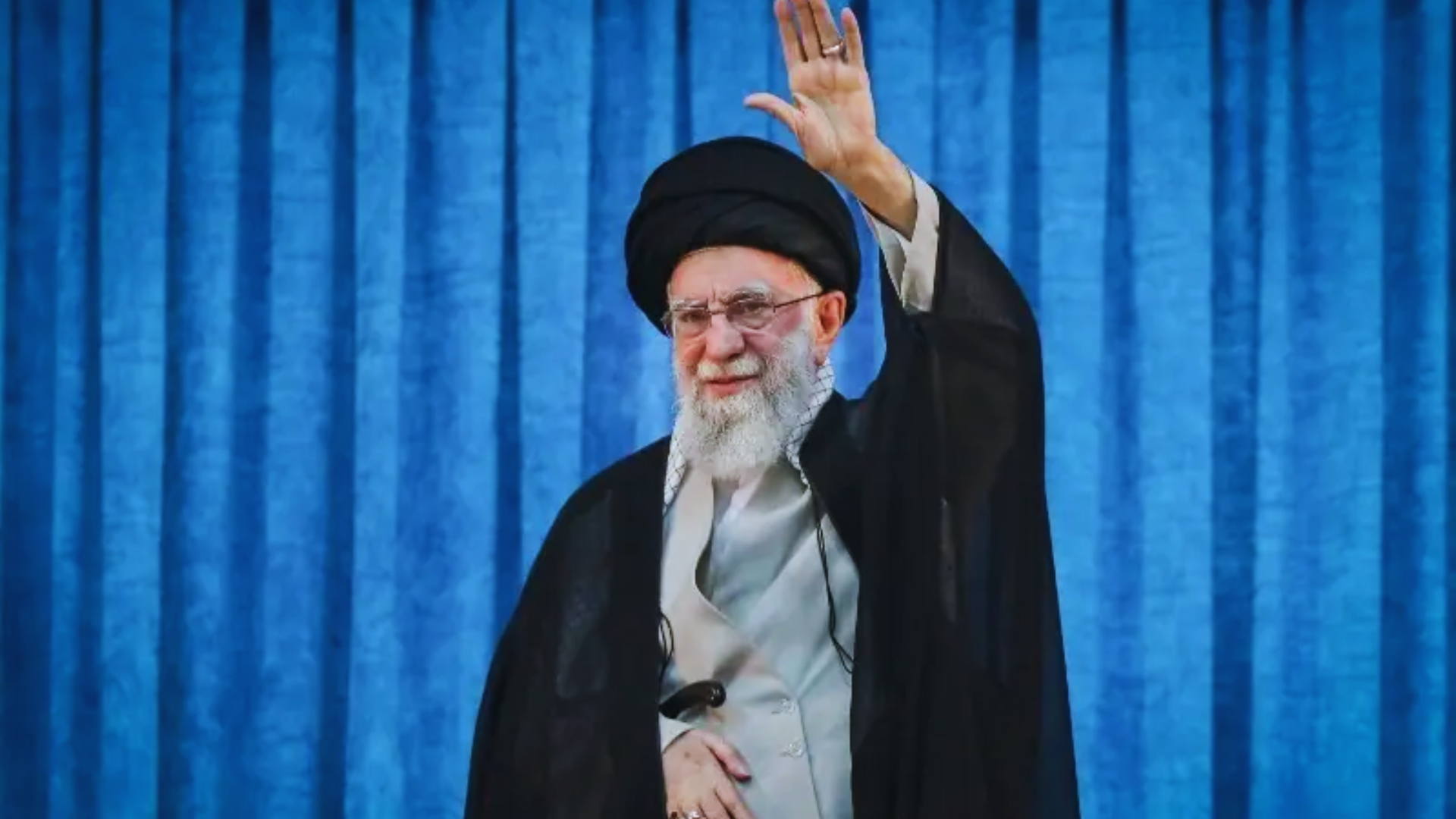
The name Ayatollah Ali Khamenei is synonymous with the modern history of the Islamic Republic of Iran. Serving as the nation’s highest authority for nearly four decades, his influence stretched far beyond the borders of Tehran, shaping the geopolitical landscape of the entire Middle East. Following his death in early 2026, the world continues to analyze the profound impact of his tenure.
The Early Life of Ayatollah Ali Khamenei
Born in 1939 in the holy city of Mashhad, Ayatollah Ali Khamenei was raised in a modest clerical family. His journey into political activism began in the 1960s as a devoted student of Ayatollah Ruhollah Khomeini.
- Revolutionary Roots: Khamenei was arrested six times by the Shah’s secret police (SAVAK) for his role in the anti-monarchy movement.
- The 1979 Revolution: After the success of the revolution, he quickly climbed the political ladder, serving as a member of the Revolutionary Council.
- The Presidency: From 1981 to 1989, he served as the third President of Iran, navigating the country through the brutal Iran-Iraq War.
Rise to Supreme Leadership (1989–2026)
Upon the death of Ruhollah Khomeini in 1989, the Assembly of Experts elected Ayatollah Ali Khamenei as the second Supreme Leader. While initially seen by some as a compromise candidate, he proved to be a master of consolidation, centralizing power within the Office of the Supreme Leader and the Islamic Revolutionary Guard Corps (IRGC).
Key Pillars of His Rule
- The Axis of Resistance: Under his guidance, Iran built a sophisticated network of regional allies, including Hezbollah in Lebanon, the Houthis in Yemen, and various militias in Iraq.
- Nuclear Ambitions: Khamenei oversaw the expansion of Iran’s nuclear program, framing it as a symbol of national sovereignty despite heavy international sanctions.
- Ideological Rigidity: He remained a steadfast critic of Western influence, often referring to the United States as the “Great Satan” and maintaining a hardline stance against Israel.
Evaluating the Impact of Ayatollah Ali Khamenei
The legacy of Ayatollah Ali Khamenei remains a subject of intense global debate. Supporters view him as a bulwark against foreign imperialism and a guardian of Islamic values. Conversely, critics point to a record of domestic repression, citing the crackdowns on the 2009 Green Movement and the 2022 “Woman, Life, Freedom” protests.
“The passing of Khamenei marks the end of an era for the Islamic Republic, leaving a power vacuum that the Assembly of Experts is currently struggling to fill amidst a regional war.” — International Political Analyst, March 2026
The 2026 Transition
Following the events of February 28, 2026, Iran entered a period of unprecedented transition. The “Twelve-Day War” and the subsequent loss of the Supreme Leader have sparked widespread speculation regarding the future of the Velayat-e Faqih (Guardianship of the Jurist).
For the latest updates on how this transition affects global diplomacy, security, and trade, explore our comprehensive coverage in the International news category.