Lunar Eclipse 2026 | Official Dates, Timings, and Ultimate Viewing Guide
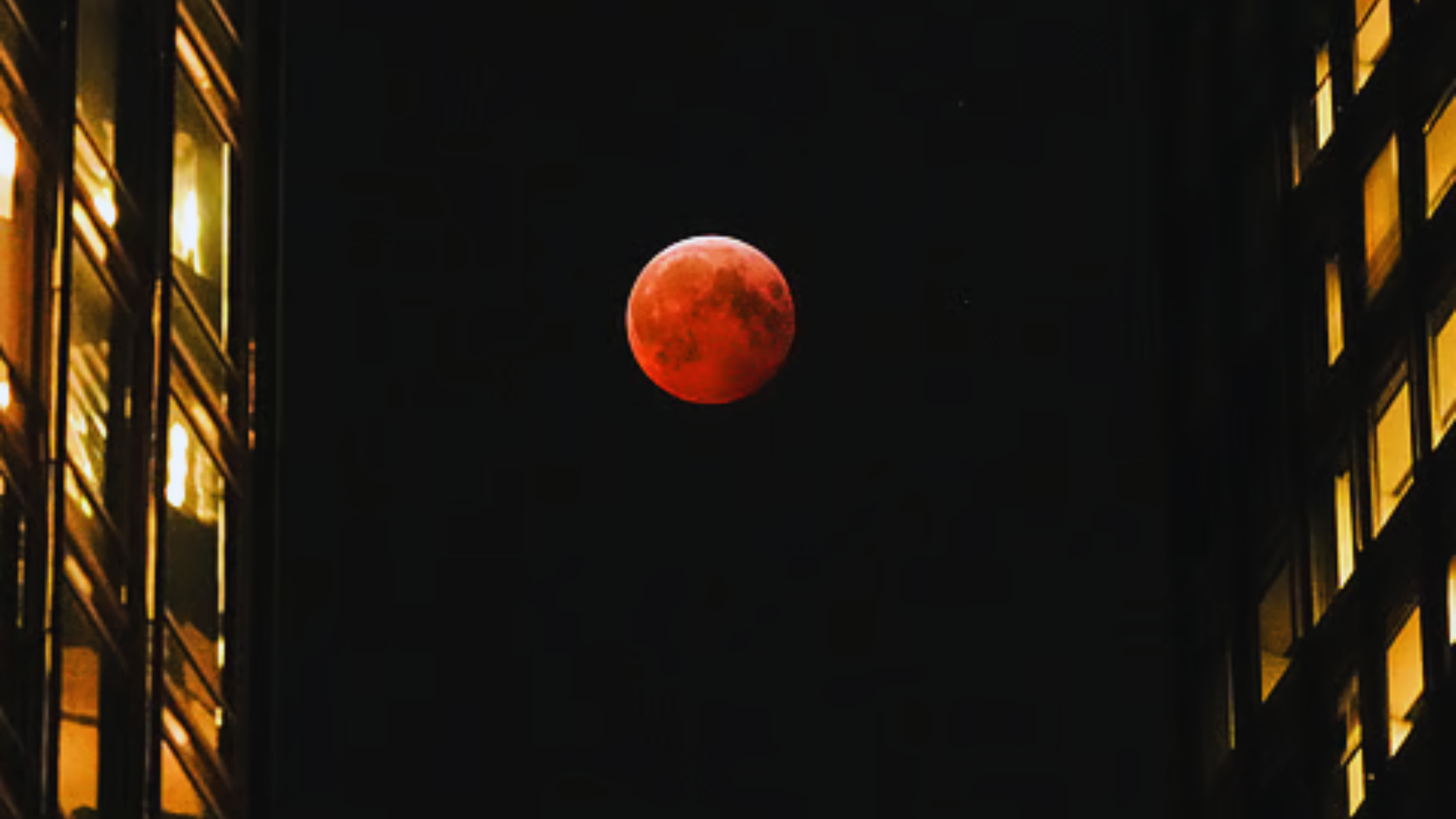
The lunar eclipse 2026 season is set to be one of the most significant astronomical periods in recent memory. Whether you are an avid stargazer or a casual observer, 2026 offers two distinct lunar events: a breathtaking “Blood Moon” total eclipse in March and a deep partial eclipse in August. In this guide, we break down exactly when, where, and how to witness these cosmic alignments.
The Main Event: Total Lunar Eclipse 2026 (March 3)
The first lunar eclipse 2026 is a total lunar eclipse occurring on Tuesday, March 3. This event is historically significant in India as it coincides with the festival of Holi, a rare overlap that has not occurred in over 100 years.
Why it’s a “Blood Moon”
During a total lunar eclipse, the Moon passes entirely into Earth’s darkest shadow, the umbra. Instead of disappearing, the lunar surface takes on a deep reddish hue. This happens because Earth’s atmosphere scatters blue light but refracts (bends) longer red wavelengths toward the Moon, much like the colors seen during a sunrise or sunset.
Global Visibility and Timings
The total phase of this eclipse will last approximately 58 minutes and 19 seconds.
- Best Views: Western North America, Australia, New Zealand, East Asia, and the Pacific.
- Visibility Map: The eclipse will not be visible from Europe or Africa, as the Moon will be below the horizon during the entire event.
Lunar Eclipse 2026 Timings in India (IST)
For observers in India, the lunar eclipse 2026 on March 3 will be visible as the Moon rises.
- Partial Phase Begins: 3:20 PM IST
- Total Phase Begins: 4:34 PM IST
- Maximum Eclipse (Totality): 5:03 PM IST (Global Maximum), with visibility in India peaking between 6:33 PM and 6:40 PM IST as the moon becomes visible above the horizon
- Total Phase Ends: 5:32 PM IST
- Eclipse Concludes (Penumbral End): 7:53 PM IST
Note for Indian Viewers: Most of India will see only the final stages of the eclipse because the Moon rises late in the afternoon while the event is ending. However, cities in Northeast India like Guwahati, Itanagar, and Shillong will witness the total phase more clearly.
The Second Event: Partial Lunar Eclipse 2026 (August 28)
The second lunar eclipse 2026 takes place on Friday, August 28. While not a “total” eclipse, it is a deep partial eclipse, with about 93% to 96% of the Moon’s diameter covered by Earth’s darkest shadow.
- Visibility: This event will be completely visible across North and South America, as well as parts of Europe and Africa.
- Experience: Because nearly the entire Moon will be shadowed, observers will still see a dramatic darkening and potentially a faint reddish tint on the obscured portion.
How to Safely Watch a Lunar Eclipse 2026
Unlike solar eclipses, watching a lunar eclipse 2026 is 100% safe for your eyes.
- No Equipment Needed: You do not need special glasses or filters to enjoy the view.
- Best Location: Choose an open space with a clear view of the Eastern horizon for the March eclipse, as the Moon will be low in the sky during its most visible phases in India.
- Photography Tips: Use a tripod to stabilize your camera or smartphone, especially as the light dims during totality.
Holi and the Lunar Eclipse: Cultural Significance
The coincidence of the lunar eclipse 2026 with Holi on March 3 brings traditional customs into focus.
- Sutak Period: According to Vedic tradition, a Sutak period begins nine hours before a lunar eclipse. During this time, temples may close and certain auspicious activities are halted.
- Rituals: Many families prefer to complete Holika Dahan rituals before the Sutak begins or after the eclipse concludes.
To stay updated on how different nations are preparing for these astronomical events and other major world news, explore our latest coverage in the International segment.