
Solar Eclipse 2026 | Dates, India Timings, and Visibility Guide
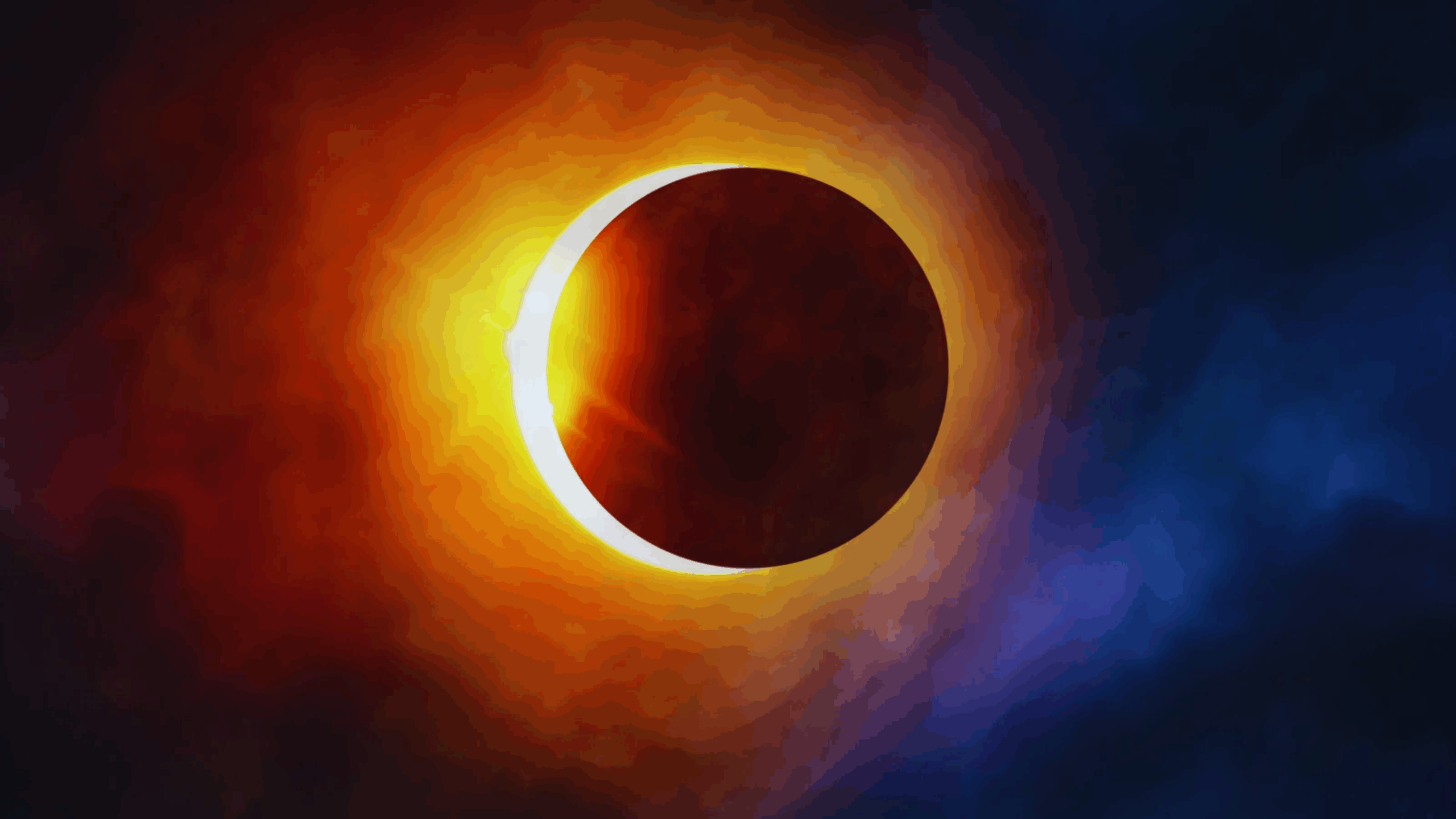
The Solar Eclipse 2026 calendar is officially here, promising two of the most spectacular astronomical events of the decade. As of February 16, 2026, skywatchers are already counting down to tomorrow’s “Ring of Fire” and the massive Total Solar Eclipse coming this August. While the Solar Eclipse 2026 visibility varies globally, its impact on science and culture is universal.
Annular Solar Eclipse 2026: The February 17 “Ring of Fire”
The first Solar Eclipse 2026 occurs tomorrow, Tuesday, February 17. This is an Annular Solar Eclipse, where the Moon appears slightly smaller than the Sun, creating a dazzling “ring of fire” effect.
- Global Visibility: Primarily over Antarctica and the Southern Ocean. Partial phases will be visible in parts of South Africa, Chile, and Argentina.
- Solar Eclipse 2026 India Timing (IST):
- Partial Eclipse Begins: 03:26 PM IST
- Greatest Eclipse (Peak): 05:43 PM IST
- Partial Eclipse Ends: 07:57 PM IST
Total Solar Eclipse 2026: The August 12 “Great European Eclipse”
The “main event” of Solar Eclipse 2026 takes place on August 12. This is the first Total Solar Eclipse to cross mainland Europe in decades, offering a rare view of the solar corona.
The Path of Totality
The path of totality for this Solar Eclipse 2026 starts in the Arctic, passes through Greenland and western Iceland, and concludes in northern Spain.
| City | Totality Duration | Local Time (Peak) |
| Reykjavík, Iceland | 1 min 01 sec | 05:48 PM |
| A Coruña, Spain | 1 min 17 sec | 08:28 PM |
| Palma, Mallorca | 1 min 36 sec | 08:31 PM |
Solar Eclipse 2026 in India: Visibility and Sutak Kaal
A major point of confusion for Indian residents is whether the Solar Eclipse 2026 can be seen from cities like Delhi, Mumbai, or Bengaluru.
- Will it be visible in India? No. Unfortunately, both the February and August Solar Eclipse 2026 events are not visible in India.
- Sutak Kaal 2026 Rules: In Vedic astrology, Sutak Kaal (the inauspicious period before an eclipse) is only applicable in regions where the eclipse is physically visible. Since the Solar Eclipse 2026 is not visible from the Indian subcontinent, traditional restrictions on eating, temple visits, or auspicious work do not apply in India.
However, for those following the spiritual significance of the Aquarius (Kumbh) and Dhanishta Nakshatra alignment tomorrow, many choose to practice quiet meditation or charity.
How to Watch the Solar Eclipse 2026 Safely
Even during the Solar Eclipse 2026, looking at the Sun without protection is dangerous.
- Use ISO 12312-2 Glasses: Regular sunglasses are not enough.
- Solar Filters: Cameras and telescopes require professional solar filters to avoid equipment damage.
- Online Live Streams: Since the Solar Eclipse 2026 isn’t visible in India, NASA and TimeandDate will be live-streaming the event from Antarctica tomorrow.
- Upcoming Eclipses in India: Beyond 2026
If you’re disappointed about missing the Solar Eclipse 2026, don’t lose heart. India has major events on the horizon:
- March 3, 2026: A Total Lunar Eclipse (Chandra Grahan) will be visible from India!
- May 21, 2031: A magnificent Annular Solar Eclipse will cross through Southern India.
Click here to stay updated with more international stories and global breakthroughs.